
Hospitality
How to manage worker accommodation in long-term projects
Practical keys for companies when the hotel becomes part of the project
Published: 2026
When a company has to relocate technical staff for weeks—or even months—the question is not where to sleep, but how to live and work during that time away from home.
In other words, the needs of a tourist and those of a relocated worker have nothing in common. And when the starting points are different, the hotel product they need should be different too.
A tourist prioritizes location, details such as half board or leisure options in the surrounding area. A worker, on the other hand, values much more practical aspects such as breakfast punctuality, ease of parking, good highway access… and, of course, a price that makes sense when the stay is extended.
In fact, at Dynamic Hotels we have already addressed this issue from another angle in the article What a business accommodation should have (and why not all hotels work). In it, we explain which characteristics define a hotel truly prepared to work with companies and why many tourist solutions fail when travel is work-related.
In this article, however, the approach is different. Here we do not focus so much on the hotel itself, but on how a company should manage accommodation for its technical staff when the project is extended and the stay is no longer occasional. As a hotel chain specialized in worker accommodation, we operate in Barcelona (and surrounding areas) and Tarragona, two areas where technical relocations are constant and where experience has allowed us to understand what companies really look for when they need to house staff during construction works, technical projects or specific repairs.
For this reason, we wanted to bring together all this know-how in this small practical guide on corporate stays, designed to help companies make better decisions when the hotel stops being a minor detail and becomes part of the project.
When staff feel comfortable, the project moves forward better
In long-term projects, accommodation directly influences the performance of technical staff. Sleeping well, starting the day without rushing and returning to a comfortable environment after a demanding workday should not be a luxury, but a basic condition for working with continuity and focus.
When a worker feels comfortable in a hotel, they perform better, rest better and maintain a more stable routine. And that shows in the day-to-day progress of the project.
Choosing the right accommodation is not just a matter of well-being, but a smart management decision. A comfortable worker is a more productive worker, and when both sides benefit, accommodation stops being a cost and becomes a true win-win.
 Photography:
Etienne Girardet
Photography:
Etienne Girardet
Fewer stimuli, more rest: the value of minimalism
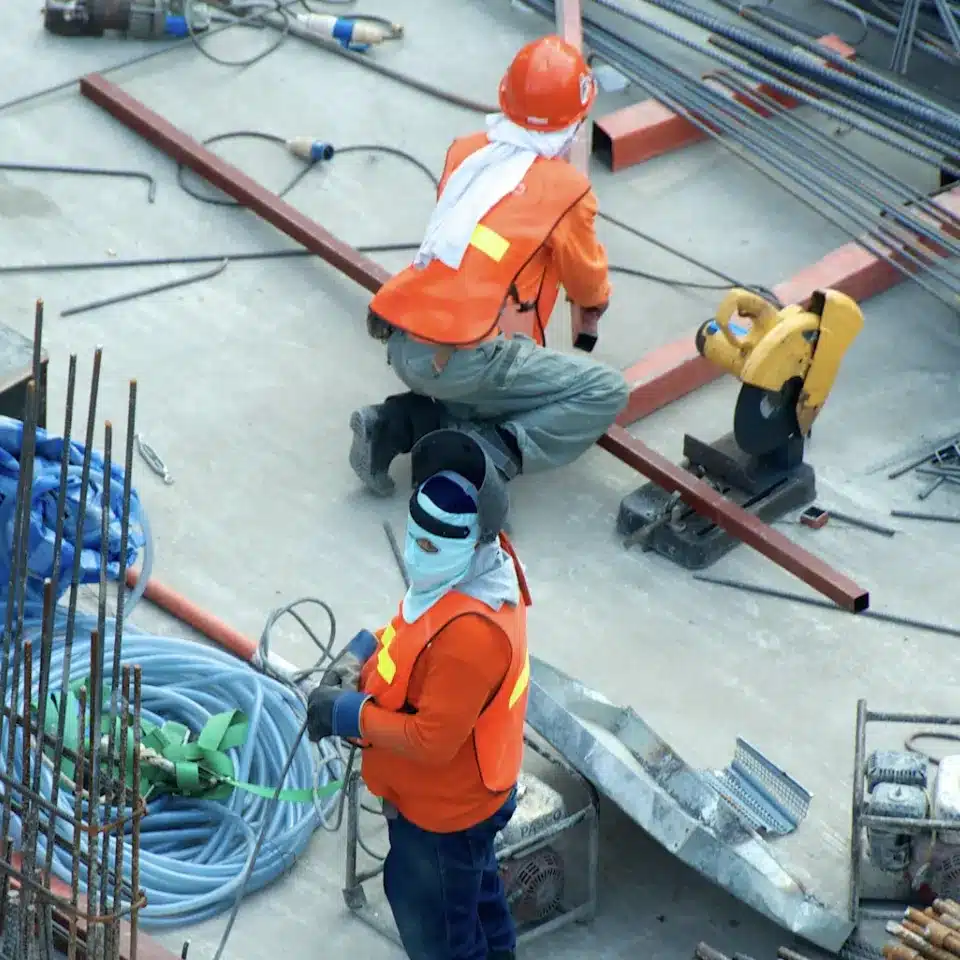
In construction works, renovations or repairs, fatigue is one of the most important factors to consider. So much so that when a person returns to the hotel after an intense workday, we can assure you they do not need more impacts, more noise or more stimuli. They need just the opposite: calm, order and the feeling that everything works without having to think about it.
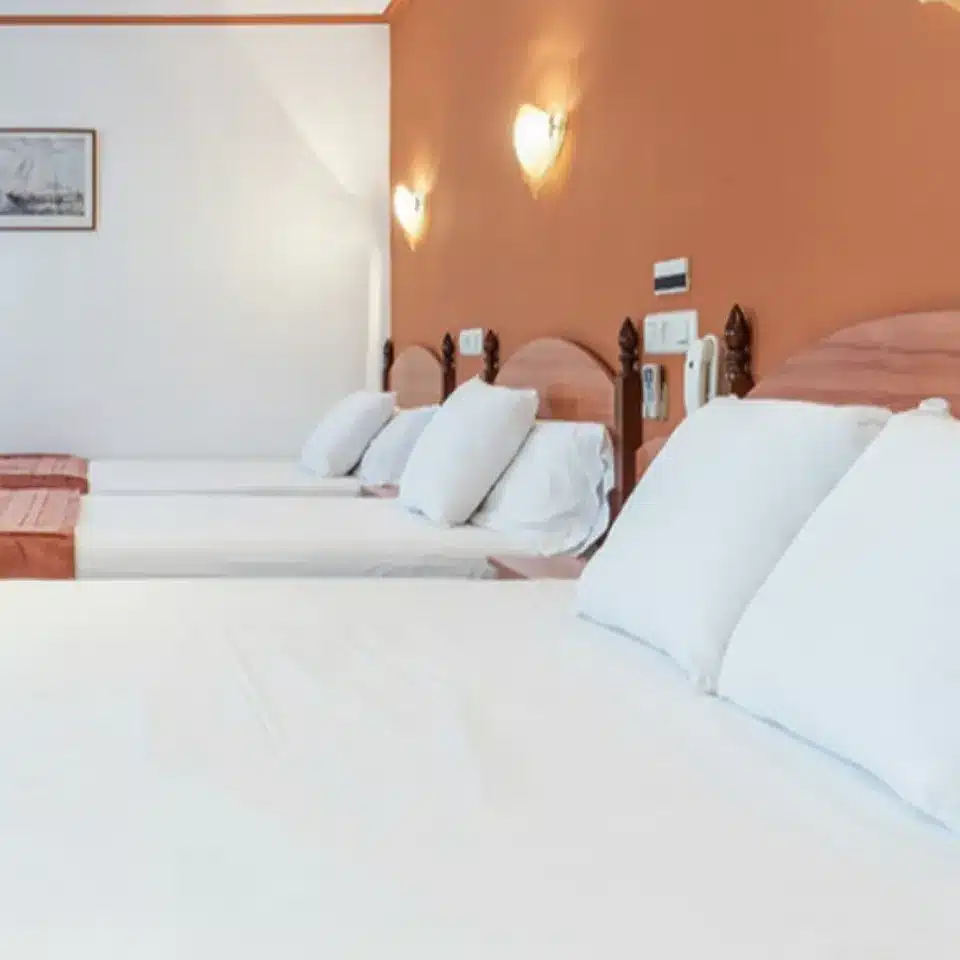
This is where minimalism gains value. Not as an aesthetic matter, but as a way to facilitate rest. Clear spaces, functional rooms and well-resolved services help people truly disconnect.
For this type of working guest, this translates into better rest and a more stable routine. For the company, into greater continuity and less wear and tear.
 Photography: Dynamic Hotels
Price and control when the stay is extended
In short stays, price is usually seen as a one-off figure. In long-term projects, however, accommodation becomes a recurring expense. What initially seems manageable begins to have a real impact on the project budget as the weeks go by.
That is why, when the stay is extended, it is not enough to find a hotel that “fits”. It is important to have stable, predictable prices designed for the long term.
Avoiding surprises, rate changes or improvised decisions allows the company to stay in control and plan with greater confidence.
Managing accommodation well in this context is not about squeezing costs, but about making smart decisions from the start.
 Photography: Dynamic Hotels
Routine, schedules and access, when logistics matter more than location
The daily routine of any technical job relies on structure. Clear schedules, predictable commutes and the ability to start the day without setbacks are factors that directly influence work pace.
This is where one of the main differences between a tourist hotel and accommodation designed for workers becomes clear. While tourism often seeks pedestrian streets, historic centers or leisure areas, technical staff need fast access, easy entry and exit, and good highway connections. Getting in and out smoothly is more important than being “in the center”.
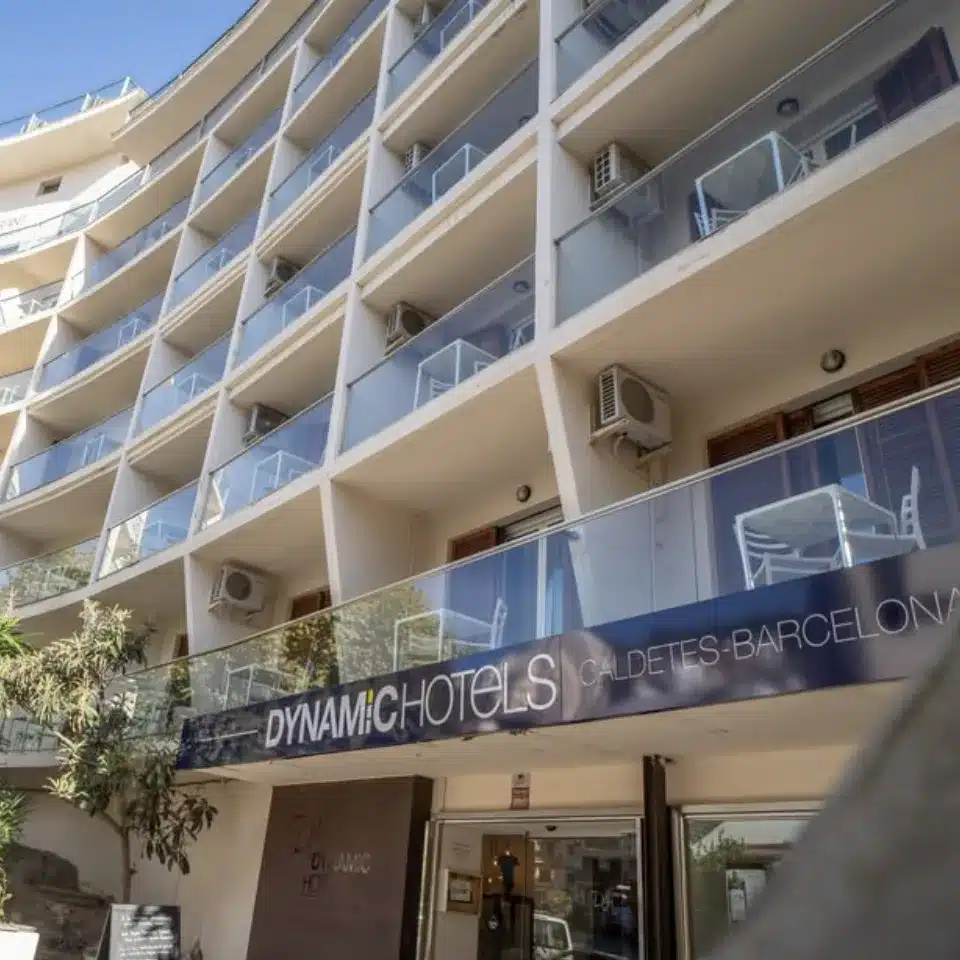
In this sense, a hotel located on the outskirts of the city can be a real advantage. Less traffic, ample parking for cars, vans or company vehicles, and smoother commutes every morning.
 Photography: Dynamic Hotels
About the author of this post