

Groups
How to organize a group ski trip
A practical guide to make sure nothing goes wrong before you hit the slopes.
Published: 2026
Organizing a group ski trip is not just about choosing a resort with good snow and booking a hotel. It means coordinating schedules, accepting that ski levels are not always the same, adjusting budgets, and managing the logistics that inevitably arise when several people travel together, far from home.
At Dynamic Hotels, every season we work with groups coming to ski in the Pyrenees: friends, families, sports clubs, and organized trips that are looking for a comfortable base in Vielha to ski in Baqueira Beret without complications. As a brand, we are specialized in group travel, and during the winter months this experience is especially focused on ski groups staying at our hotels in Vielha.
This guide is based on that hands-on experience with ski groups and the direct work we do every season in accommodations such as the Hotel Hípic by Dynamic and the Chalet Iori by Dynamic. A collection of small details that, together, help make a group ski trip work smoothly from start to finish.
Before talking about skiing, get everyone on the same page
Before looking at resorts, hotels, or ski passes, there is one conversation that should happen as early as possible: what kind of trip each person in the group expects. On a ski trip, it is common to have very different skill levels, uneven rhythms, and expectations that do not always match.
Some people want to ski from the moment the lifts open until the slopes close, others prefer a more relaxed pace, and some value après-ski as much as the snow. Putting these cards on the table from the beginning avoids many misunderstandings and helps make more realistic decisions for the whole group.
It is not about everyone doing the same thing all day, but about accepting that a group ski trip works better when different rhythms are respected. The clearer this is before leaving, the easier it will be for the trip to flow once you are in the mountains.
 Photo: @dyhotels
Choosing the right base: location, accommodation, and rest
On a group ski trip, your base is almost everything. It is not just about the resort, but where you sleep, how long it takes to reach the slopes, and how easy it is to move the whole group around without wasting time or energy on unnecessary travel.
Choosing a well-located town with services and good connections to the resort makes organization much easier. Fewer kilometers every morning means more time skiing and less accumulated fatigue, something the group really appreciates from the second or third day onward.
As for accommodation, we recommend that it is designed with groups in mind. Not as an extra, but as a central part of the trip: functional rooms, shared spaces to meet, and the feeling of having a comfortable base to return to when your body is already feeling the effort after an intense day on the snow.
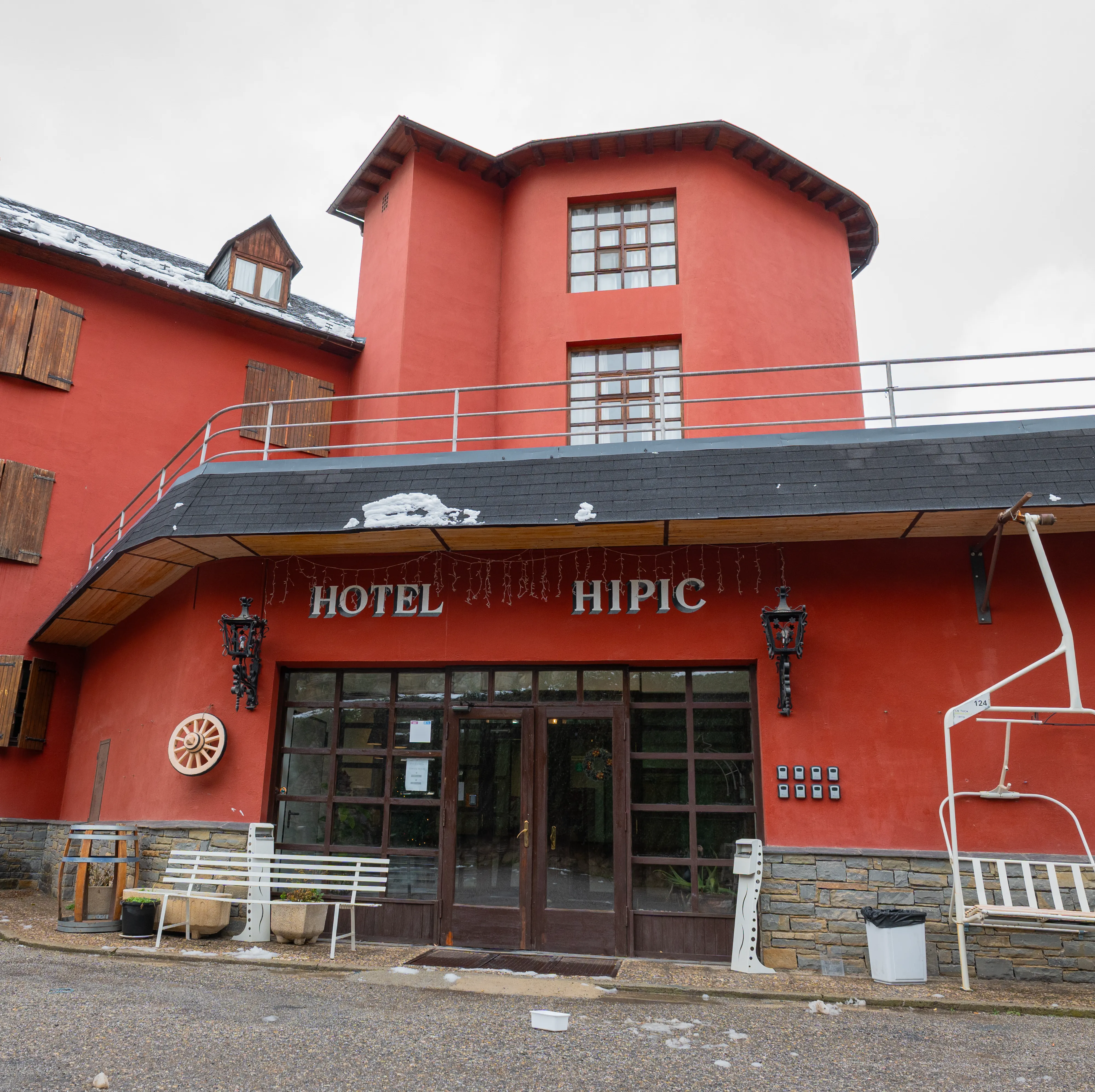 Photo: @dyhotels
Flexibility: not every day goes perfectly
No matter how well organized, on a group trip (whether it is for skiing or simply spending a few days with friends or family) there is always room for something not to go exactly as planned. Bad weather, someone feeling more tired, or simply wanting to slow things down.
Accepting this from the start helps avoid unnecessary frustration. The whole group does not need to do the same thing every day, nor does everyone have to make the most of the day in the same way. Flexibility is one of the keys to keeping the atmosphere relaxed.
Leaving room to adapt plans, change schedules, or split the group at certain times makes the trip easier for everyone. In the end, the group trips that work best are not the most rigid ones, but those that know how to adapt to what the moment and the body are asking for.
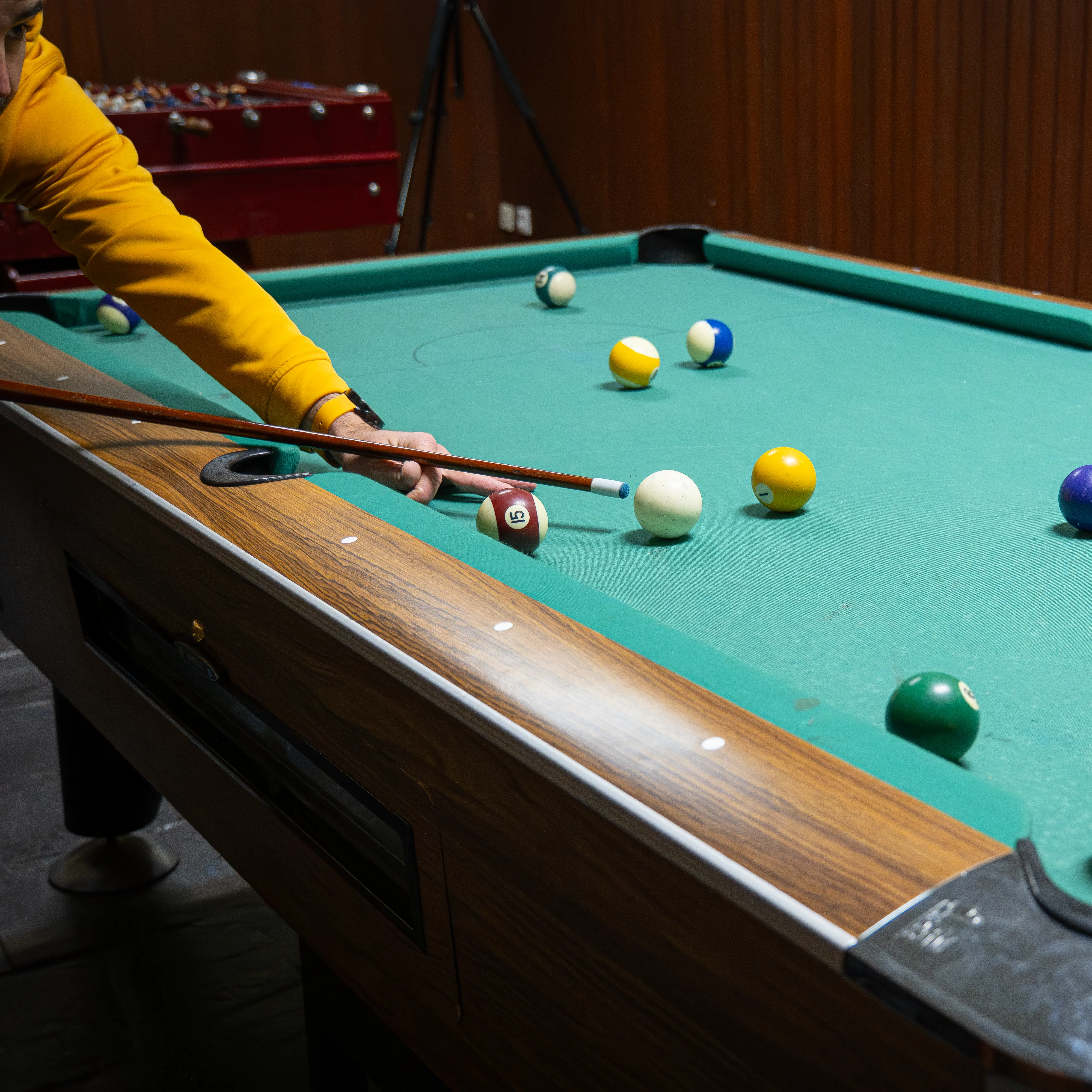 Photo: @dyhotels
Anticipating logistics avoids unnecessary friction
On a group ski trip, logistics matter more than they seem. Departure times, picking up ski passes, renting equipment, or simply deciding what time to go down for breakfast can become small sources of tension if they have not been discussed beforehand.
Anticipating these details helps prevent the group from having to improvise every morning. Knowing who is renting equipment, who is bringing their own gear, or how schedules will be organized avoids rushed decisions when it is cold and everyone is eager to ski.
You do not need to plan everything down to the minute, but some basics should be clear. The more resolved the logistics are before arriving, the lighter the experience will feel once the trip begins, and the less energy will be wasted on pointless discussions.
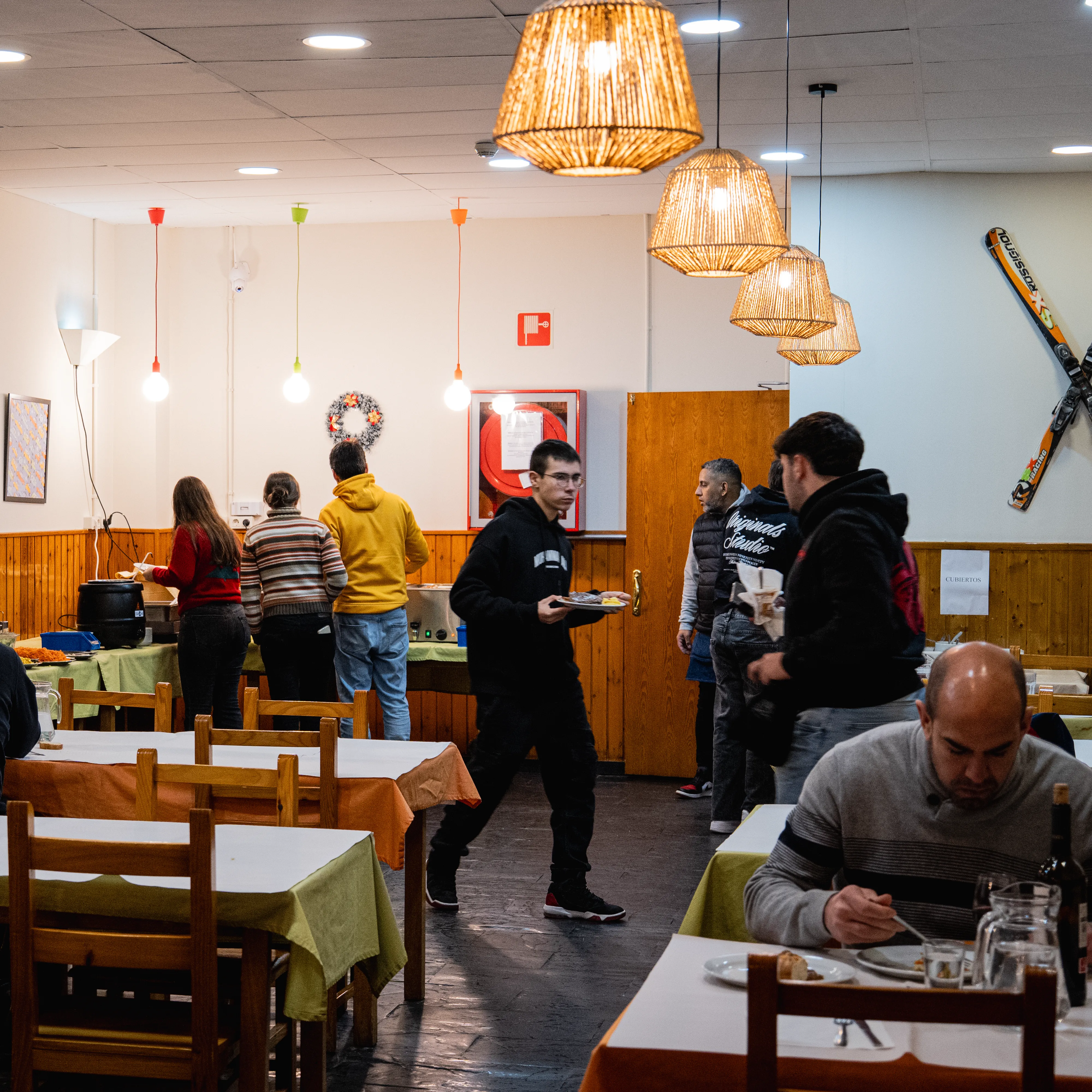 Photo: @dyhotels
The budget also needs organizing (and it is best done in advance)
On any group trip, the budget is not a minor issue. When several people share accommodation, meals, and activities, poorly managed money is often one of the main sources of friction, even before the trip starts.
On a ski trip, this is even more noticeable. In addition to the usual expenses, there are small daily extras that, if not discussed in advance, can lead to misunderstandings along the way.
Defining an approximate budget, agreeing on how expenses will be shared, and deciding whether to use a tool to track spending helps prevent money-related discussions when what really matters is enjoying the snow.
 Photo: @dyhotels
About the author of this post